
Students master how plants convert sunlight, CO₂, and water into glucose and oxygen supporting all life. Through solving plant health mysteries or investigating tree poisoning crimes with herbicide, gathering evidence spinach leaves photosynthesize by measuring oxygen production and testing for glucose under different light conditions, and engineering optimal light conditions for Elodea plants producing oxygen for aquariums, students discover photosynthesis powers Earth's ecosystems.
- Lesson 1
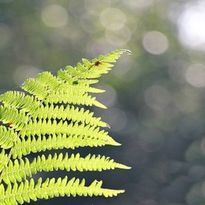
Solve: Ailing Fern Mystery + Vocabulary Mind Map
Fern the fern dreams of growing tall like the forest's tallest tree, but something's terribly wrong—she's not growing at all, can't repair her leaves, and feels awful. Students follow Mosa as she consults with a wise canopy layer tree and a singing chloroplast to solve Fern's mystery. The diagnosis: Fern lives at the dark forest floor, receiving insufficient sunlight for photosynthesis! Without adequate light energy, she can't convert carbon dioxide and water into glucose (food) and oxygen. Fern needs more light exposure to fuel the photosynthesis process that powers growth and repair.
- Lesson 2

Make: Gather Evidence to Prove Photosynthesis is Occurring
Gather evidence proving photosynthesis occurs in spinach leaves. Students design and conduct investigations testing for photosynthesis products. They might: use heat lamps providing light energy, measure oxygen production, test for glucose/starch presence in leaves, compare leaves exposed to light vs. darkness, or use indicators showing carbon dioxide consumption. Through careful data collection and analysis, they construct evidence-based arguments demonstrating that spinach leaves exposed to light perform photosynthesis—converting CO₂ and H₂O into glucose and oxygen using light energy captured by chloroplasts.
- Lesson 3

Engineer: Use Photosynthesis to Engineer a Solution for Fish in Danger
The local pet store ran out of oxygen pumps—aquarium fish are in danger! Engineer a solution using photosynthesis. Students design investigations testing optimal light conditions for Elodea (aquatic plants) to maintain oxygen-rich water. They experiment with: different light intensities, various distances from light sources, colored filters, and duration of light exposure. Using Phenol Red or Bromothymol Blue indicators to detect CO₂ changes (showing photosynthesis occurring), baking soda solution providing carbon source, test tubes, beakers, and rulers, they collect data determining ideal lighting conditions maximizing Elodea's oxygen production—saving fish through plant biology.
- Next Generation Science Standards
- Inquiry Scale
- Common Misconceptions
- Vocabulary
- Content Expert
- Leveled Reading
* To give our users the most comprehensive science resource, Mosa Mack is piloting a partnership with RocketLit, a provider of leveled science articles.
- Using the Sun's EnergyThis article gives the students an overview of how plants use energy from sunlight to create chemical energy that they use to live. This is very different from how animals get their energy by eating other living things. Plants use photosynthesis to make their food and this is done in small parts inside of the plant cells called chloroplasts.

- Live, Laugh, LoveThis article focuses on the different types of organisms on our planet: ones that need oxygen and ones that don't. Scientists believe the first life on the planet were anaerobic and that over time gained the ability to use photosynthesis to create usable energy. The atmosphere may have been inhabitable for people at the beginning of our planet and these organisms slowly changed it over time to enable aerobic organisms to flourish.

- Molecules for Life: You Need SugarIn this article, students read about where sugars in the ecosystem come from photosynthesis and how living things use stored energy in sugars like to get the energy they need to live.

- Light Energy to Life EnergyAt the base of every food chain are autotrophs. These living things make their own energy from sunlight through photosynthesis and they (and organisms that eat them) can then use that energy they made through cellular respiration. Energy is continuously transferred to different organisms as they eat each other. Yum!

- Inside the ChloroplastYou may need to walk to the store or refrigerator for food later on today, but not that plant outside your window. Their chloroplasts are hard at work absorbing the sun's energy to create carbohydrates. In addition, you and the plant are the colors you are due to pigments that absorb some colors of light and reflect others. You skin doesn't do much with that absorbed light, but the plant uses it to make food!

- What Goes Into Photosynthesis?Plants can't get up and walk to the store for a bite to eat. Instead, they use energy from sunlight to create sugars that they can use for the energy they need to live, just like our bodies use the food we eat to keep us alive.


RocketLit serves NGSS aligned reading at 7 reading levels.
RocketLit serves NGSS aligned reading at 7 reading levels.
RocketLit serves NGSS aligned reading at 7 reading levels.
RocketLit serves NGSS aligned reading at 7 reading levels.
RocketLit serves NGSS aligned reading at 7 reading levels.
RocketLit serves NGSS aligned reading at 7 reading levels.
- Using the Sun's Energy